Services
-

Marine Fuel ( Fuel Oil )
Fuel oil (also known as heavy oil, marine fuel or furnace oil) is a fraction obtained from petroleum distillation, either as a distillate or a residue. In general terms, fuel oil is any liquid fuel that is burned in a furnace or boiler for the generation of heat or used in an engine for the generation of power, except oils having a flash point of approximately 42 °C (108 °F) and oils burned in cotton or wool-wick burners. Fuel oil is made of long hydrocarbon chains, particularly alkanes, cycloalkanes, and aromatics. The term fuel oil is also used in a stricter sense to refer only to the heaviest commercial fuel that can be obtained from crude oil, i.e., heavier than gasoline and naphtha.Small molecules like those in propane, naphtha, gasoline for cars, and jet fuel have relatively low boiling points, and they are removed at the start of the fractional distillation process. Heavier petroleum products like diesel fuel and lubricating oil are much less volatile and distill out more slowly, while bunker oil is literally the bottom of the barrel; in oil distilling, the only things denser than bunker fuel are carbon black feedstock and bituminous residue (asphalt), which is used for paving roads and sealing roofs. -
GAS OIL
Gas oil is a distillate home heating oil.[3] Trucks and some cars use similar diesel fuel with a cetane number limit describing the ignition quality of the fuel. Both are typically obtained from the light gas oil cut. Gas oil refers to the original use of this fraction in the late 19th and early 20th centuries - the gas oil cut was used as an enriching agent for carburetted water gas manufacture. -

LPG (Liquefied Petroleum Gas)
Liquefied petroleum gas or liquid petroleum gas (LPG or LP gas), is a flammable mixture of hydrocarbon gases used as fuel in heating appliances, cooking equipment, and vehicles.It is increasingly used as an aerosol propellant[1] and a refrigerant,[2] replacing chlorofluorocarbons in an effort to reduce damage to the ozone layer. When specifically used as a vehicle fuel it is often referred to as autogas.Varieties of LPG bought and sold include mixes that are mostly propane (C3H8), mostly butane (C4H10), and, most commonly, mixes including both propane and butane. In the northern hemisphere winter, the mixes contain more propane, while in summer, they contain more butane.[3][4] In the United States, mainly two grades of LPG are sold: commercial propane and HD-5. These specifications are published by the Gas Processors Association (GPA)[5] and the American Society of Testing and Materials (ASTM).[6] Propane/butane blends are also listed in these specifications. -
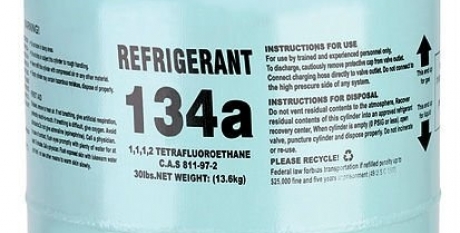
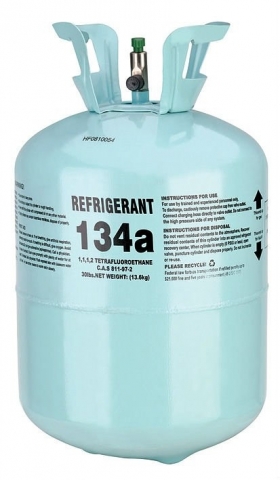
Forane(R) 134a Refrigerant Gas
The R134a is a non-flammable gas used primarily as a high-temperature refrigerant for domestic refrigeration and automobile air conditioners.