Services
-
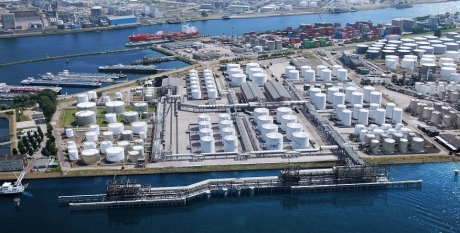
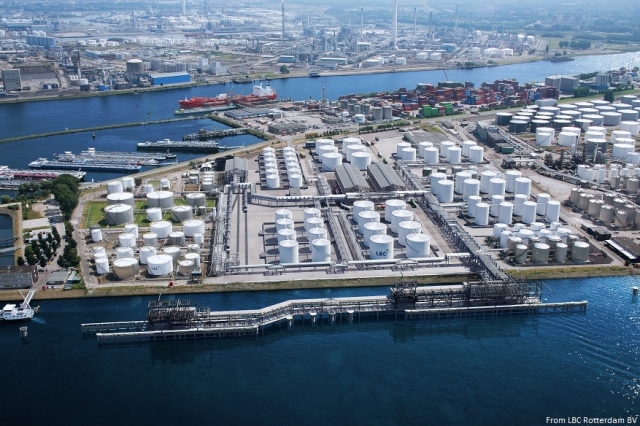
FACILITATION TANK STORAGE FOR FUEL IN ROTTERDAM
Our Company can facilitate renting of Barge Storage, Vessel Storage, Tank Storage in ROTTERDAM PORT & HOUSTON PORT, For further information and contract details please contact us.FACILITATION TANK STORAGE FOR FUEL IN ROTTERDAM & HOUSTON PORTE-mail: storage.info@simpatransltd.com -
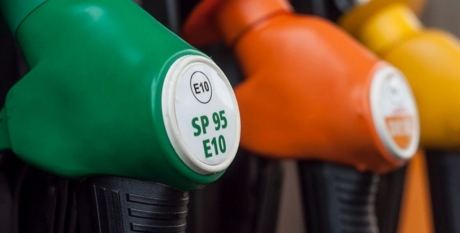
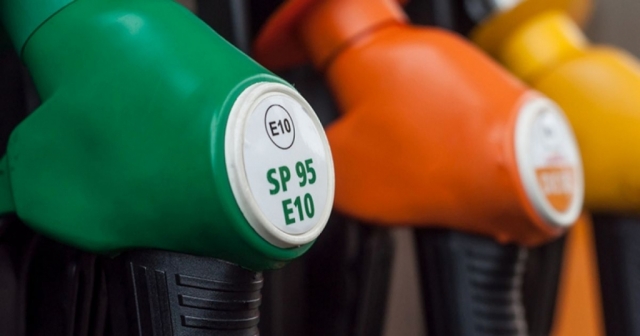
Standard Gasoline 95 , 98, 99 Octane
The reliable, consistently high quality 95, 98 or 99 gasoline are suitable both for conventional system carburettor type and modern direct injection turbocharged motors. All product properties meet or exceed the specifications set in Standard EN 228 (EuroNorm standard for gasoline fuels). Beside environmental protection considerations, our product development efforts focus on meeting application technology requirements up to the highest standards. -

Standard Diesel Euro 5
The quality of European diesel fuels is specified by the EN 590 standard. Even though these specifications are not mandatory, they are observed by all fuel suppliers in Europe. Beginning from the late 1990s, several diesel fuel properties—including cetane number, sulfur content and FAME biodiesel content—are also subject to environmental regulations. -
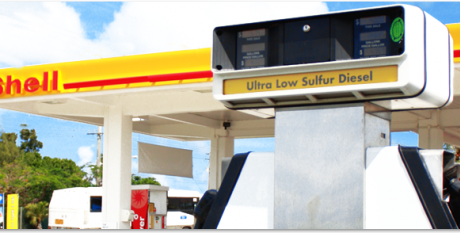
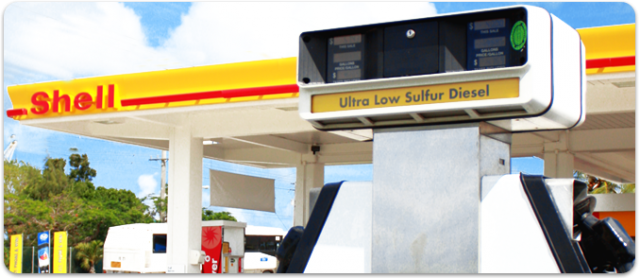
ULTRA LOW SULPHUR DIESEL
 Ultra-low-sulfur diesel (ULSD) is diesel fuel with substantially lowered sulfur content. As of 2006, almost all of the petroleum-based diesel fuel available in UK, Europe and North America is of a ULSD type. There is not a single standard set of specifications and as the government mandated standard becomes progressively more strict so does the definition.
The move to lower sulfur content is expected to allow the application of newer emissions control technologies that should substantially lower emissions of particulate matter from diesel engines. This change occurred first in the European Union and is now happening in North America. New emissions standards, dependent on the cleaner fuel, have been in effect for automobiles in the United States since model year 2007.
ULSD has a lower energy content due to the heavy processing required to remove large amounts of sulfur from oil, leading to (1 to 2%) lower fuel economy. Using it requires more costly oil -

AVIATION FUEL
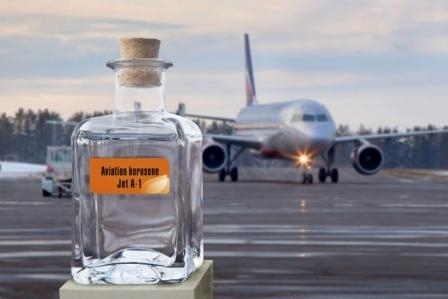
Jet fuel or aviation turbine fuel (ATF) is a type of aviation fuel designed for use in aircraft powered by gas-turbine engines. It is colourless to straw-colored in appearance. The most commonly used fuels for commercial aviation are Jet A and Jet A-1, which are produced to a standardized international specification. The only other jet fuel commonly used in civilian turbine-engine powered aviation is Jet B, which is used for its enhanced cold-weather performance.Jet fuel is a mixture of a large number of different hydrocarbons. The range of their sizes (molecular weights or carbon numbers) is restricted by the requirements for the product, for example, the freezing point or smoke point. Kerosene-type jet fuel (including Jet A and Jet A-1) has a carbon number distribution between about 8 and 16 (carbon atoms per molecule); wide-cut or naphtha-type jet fuel (including Jet B), between about 5 and 15.